
Developer Credit Agreement Approved for Planned 300‑Unit Bok Estates Community
by James Coulter
To support the construction of alley‑loaded streets for a proposed 300‑unit residential community, city commissioners have approved an agreement granting the developer credit against impact fees.
At their regular meeting last month, Lake Wales city commissioners voted unanimously to approve their consent agenda, which included a developer credit agreement with Bok Estates, LLC.
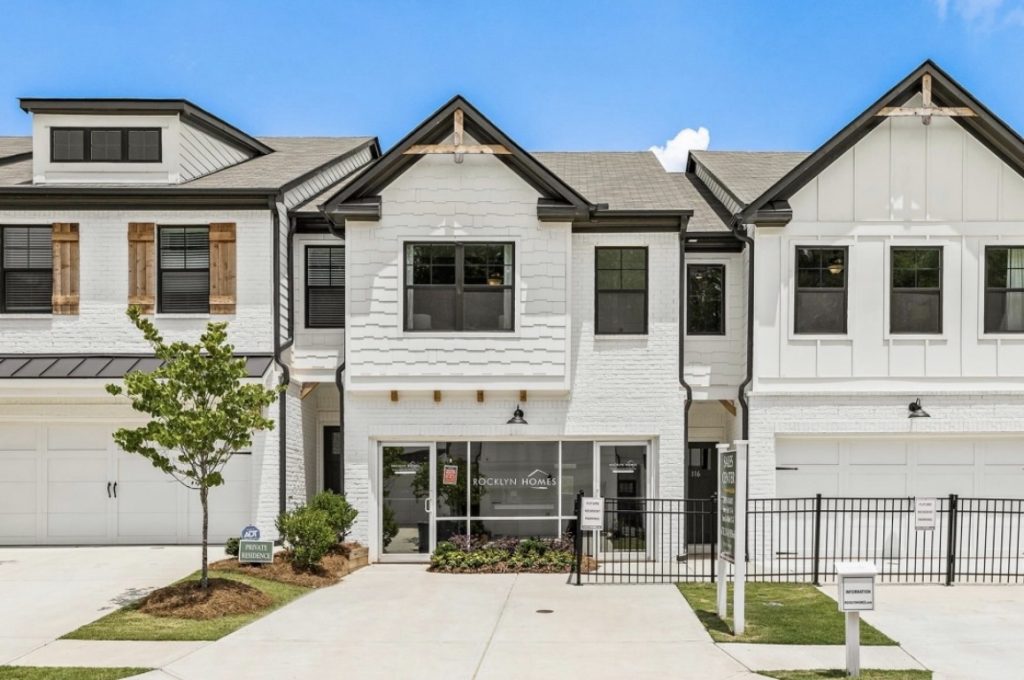
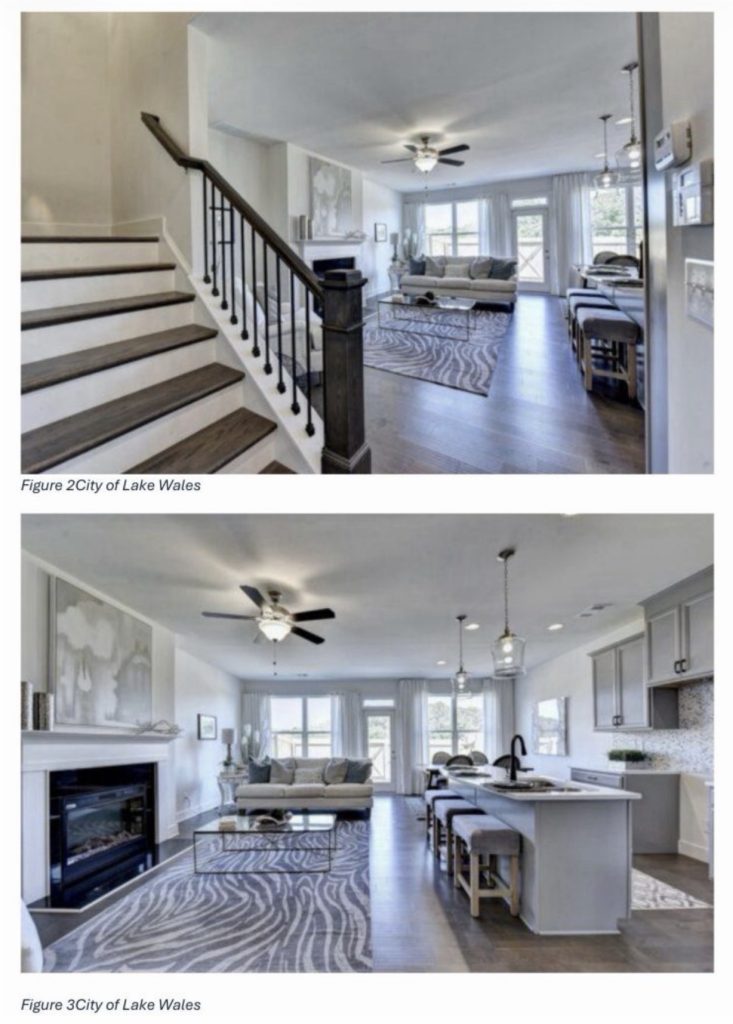
The agreement applies to Bok Estates (also known as Ridge Luxury Townhomes), a residential project planned for a 30‑acre site off Old Scenic Highway, southwest of Bok Tower Gardens.
The proposed development is expected to include approximately 300 townhouse units spread across 55 multi‑family buildings, along with a 2,000‑square‑foot amenity center, all overlooking nearby Lake Caroline.
The agreement provides a 50 percent reduction on the applicable impact fees. Based on the total estimated extra expenses of $1,284,589.68, the developer is expected to receive a credit of $642,294.84.
Impact fees are one‑time charges assessed on new development to help cities pay for the expanded infrastructure, such as roads, water systems, and public facilities, that are needed to serve additional residents.
Under city policy, developers can earn credits toward those fees if they construct certain public improvements themselves. This means a developer may reduce the amount owed by building infrastructure the city would otherwise have to fund.
For Bok Estates, this credit applies specifically to the construction of alley‑loaded streets. These streets are designed to meet the city’s Traditional Neighborhood Design (TND) standards, which require rear‑alley access for residential lots narrower than 55 feet.
These standards are part of the city’s overall strategic vision outlined in Lake Wales Envisioned, a strategy created to “guide growth and conservation throughout the city and its surrounding utility service area for decades to come,” according to its website.
These standards aim to promote “interconnected networks of walkable, bikeable, tree-lined streets,” where “buildings face public spaces,” and narrow parcels include alleys “to reduce curb cuts that interrupt the sidewalk.”
The strategy seeks to move the city away from “new neighborhoods that look more like habitats for cars than for people,” instead encouraging development patterns that support walkability, infill growth, and traditional urban design.
By approving the agreement, commissioners signaled support for both the project and the city’s broader planning goals. The credit allows the developer to move forward with a design that aligns with Lake Wales’ vision for walkable neighborhoods while reducing the financial burden typically associated with new residential construction.