

By Maria Iannucci
Within the next few years, Polk County residents will have a valuable new option for quality cancer care that won’t involve driving to Tampa or Orlando.
On February 15, 2026, at the 31st Annual Magnolia Ball in Tampa, local philanthropists Wesley Barnett and Ashley Bell Barnett of Lakeland pledged $10 million to Moffitt Cancer Center towards the development of a state-of-the-art outpatient facility of Moffitt Cancer Center to be built in Polk County. The Magnolia Ball is Moffitt Cancer Center’s annual signature fundraising event.
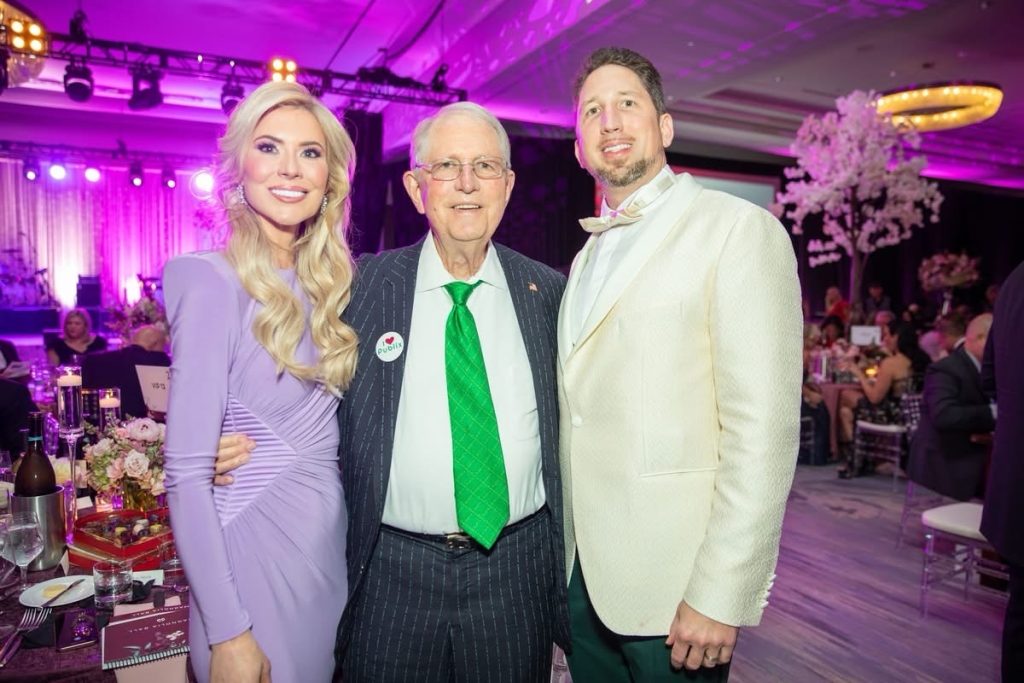
Ashley says the new Moffitt location, which will be built on a 34-acre site in Highland City, will fundamentally change the access Polk County residents have to cancer care.
“Just having first-hand knowledge of friends and family affected by cancer has shown me how significant the need is to have options for treatment,” Ashley says.
“Just having first-hand knowledge of friends and family affected by cancer has shown me how significant the need is to have options for treatment,” Ashley says.
The idea for this extension of Moffitt Cancer Center sparked three years ago, as a result of a brief conversation.
“I was in Tallahassee in 2023 and I ran across the CEO of Moffitt, Dr. Patrick Hwu, as we were at an event together. We didn’t know each other, and we got to talking. To tell you the truth, he planted the seed right there. He’s just such a charismatic, wonderful man. I later found out he was the CEO of Moffitt. After meeting him, I met another community advocate who worked for Moffitt, Celia Ferman, then a member of Moffitt’s Board of Directors. Together, we began these important conversations.”
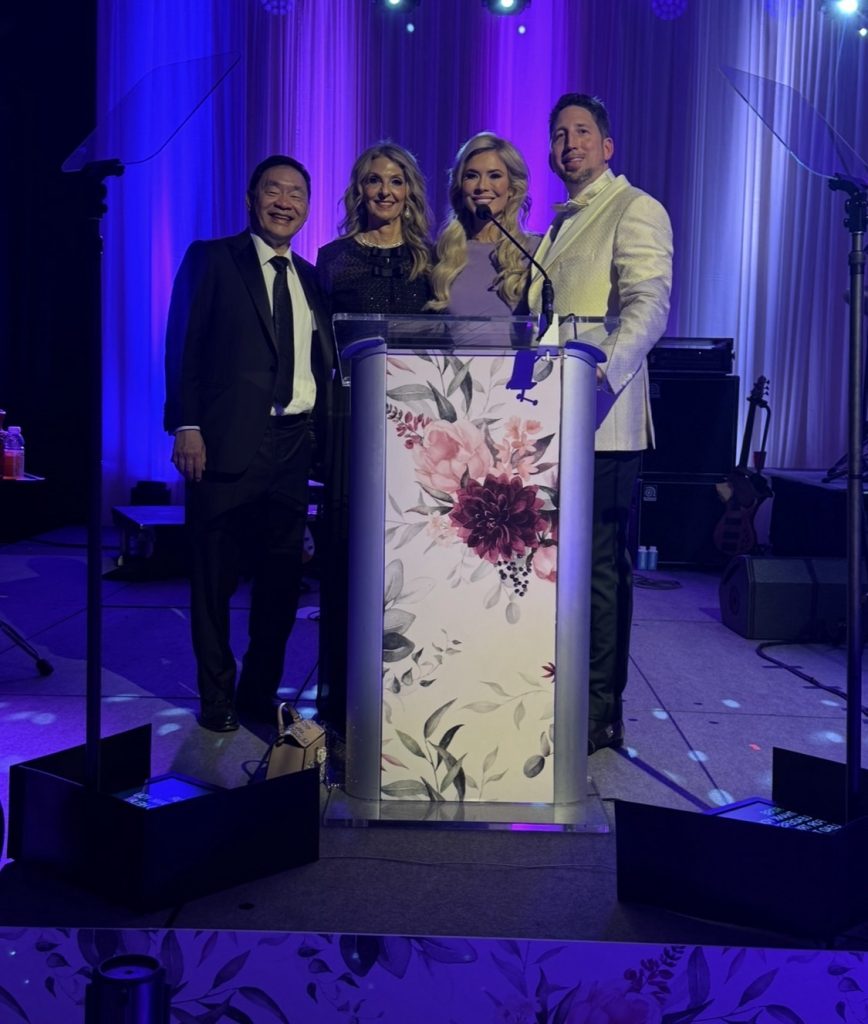
Patrick Hwu MD President and CEO of Moffitt Cancer Center Rose Baker Reilly Chair of the Moffit Foundation with Philanthropists Ashley Bell Barnett and Wesley Barnett at the Magnolia Ball in Tampa February 15 2026
Individuals undergoing treatment for cancer have a variety of needs and are often referred to Moffitt in Tampa for the state-of-the-art treatment options. Having this type of care available locally will be a game changer, Ashley says.
“I have close friends and family that I that I have made that drive for, people that have had treatment there over the last 15 years. This was just a no-brainer.”
According to Merritt Martin, chief of staff at Moffitt Cancer Center, Polk County residents currently make more than 29,000 trips annually to Tampa for medical treatment, many of them traveling up to three hours round-trip for essential care. When you’re nauseated, or you have just come out of radiation, and must go to be there early mornings and late nights for four days in a row for six weeks, I just can’t imagine the burden and stress of having that diagnosis and demand. Right now, those patients are making a three-hour round-trip every day.
“Now we will have a world-class gem right in our backyard.”
Wesley Barnett, Ashley’s husband, says that while they are pleased to be a part of the initial investment, the community will be integral in bringing the Moffitt campus to fruition.
“Our family is proud to make the first major investment in this much-needed facility, but $10 million only gets us to the starting line. The finish line is $50 million and world-class cancer care right here in Polk County. I am personally committed to seeing this through, and I hope others in this community are inspired to join us.”
After focus groups indicated an established need for this kind of care in Polk County, it became clear to the interested parties that the initiative should move forward.
The Barnetts have pledged the first $10 million, but the total project cost with land is estimated to be $142 million. The donation of the land brings the project much closer to reality.
The Rogers family of Lakeland has generously donated approximately 34 acres of land off of US 98 in Highland City, which will be the main site for Moffitt, with the possibility of a surgical center coming at a later time.
Editor’s Note: The Rogers family’s donation of land will be featured in a separate upcoming Daily Ridge Media story highlighting their generous and vital contribution to the project.
“Polk County desperately needs to support a project of this caliber,” says Ashley.
“Some may think healthcare is becoming too competitive in Polk County. I’d say it’s the opposite — Moffitt elevates everyone. It raises the talent pool, expands access, and creates real partnerships with Lakeland Regional Health and other institutions through fellowships and collaboration. We’re not just bringing a cancer center; we’re bringing jobs, education, and a better quality of life to this community.”
Ashley says that when the announcement was made at the February fundraiser, it was important to take note of one important fact.
“The announcement at the Magnolia Ball wasn’t for the people in that room. It was for generations to come — families who will get the treatment they need, right here at home, and who will be part of the work toward a cure